News
Pacific Islands Face Growing Security and Climate Pressures as Regional Competition Intensifies
Pacific Island nations are seeking greater regional unity as climate change, missile testing and growing competition between China, Australia, New Zealand and the United States reshape the strategic environment across Oceania.
August 19, 2026
Oceania
0 views
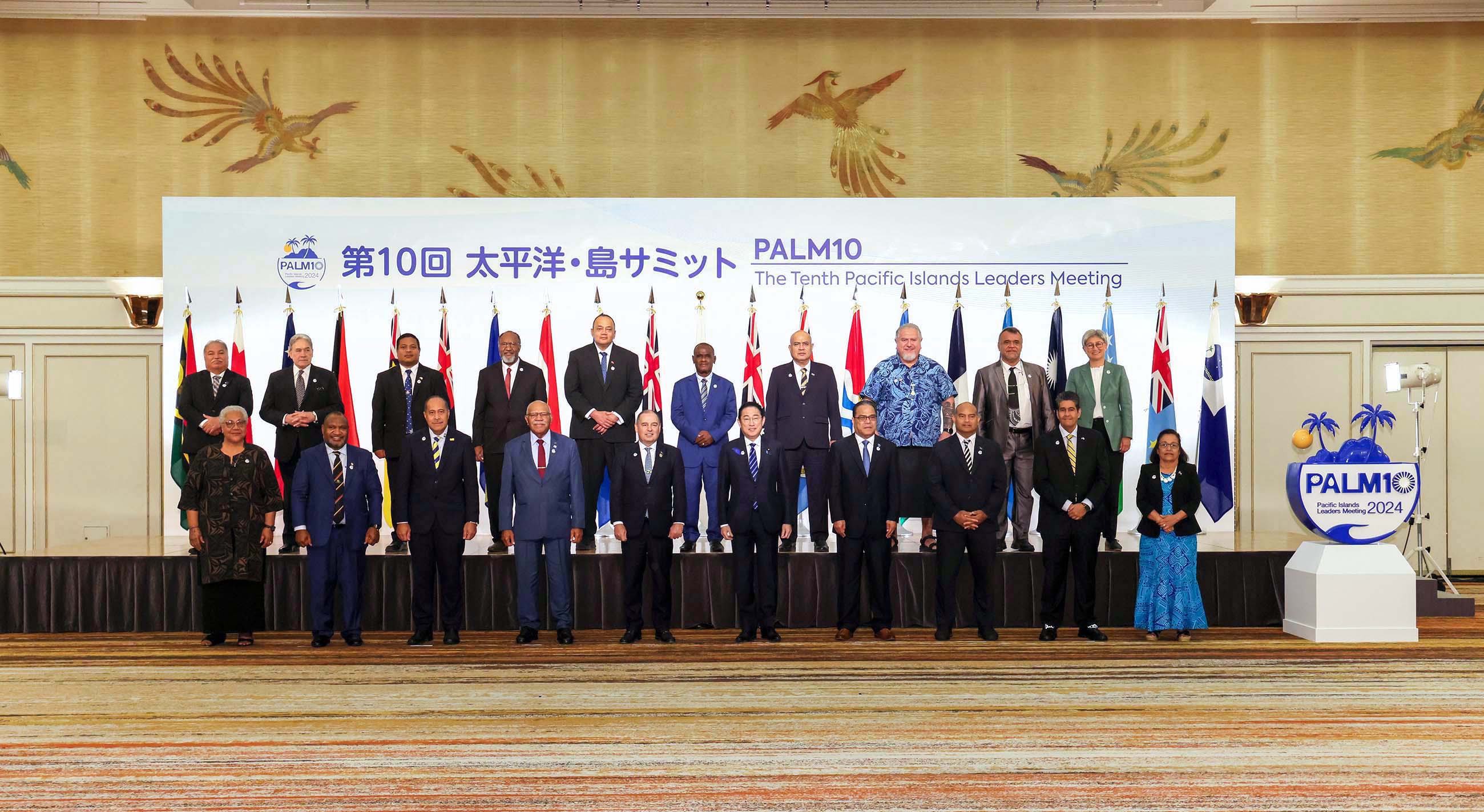
The issue has exposed divisions within the region. Pacific governments have not always agreed on how strongly to respond to China's recent missile test. Nauru and Kiribati were reported to have blocked a proposed regional statement criticizing the test, highlighting the difficulty of maintaining a unified position when Pacific countries have different diplomatic and economic relationships with China, Australia, New Zealand and the United States. China has rejected criticism of its activities and continues to emphasize its relationships with Pacific Island countries. Beijing has also objected to Taiwan's participation in the upcoming Pacific Islands Forum leaders' meeting in Palau, arguing that Taiwan's participation should follow China's interpretation of the One-China principle. Taiwan is nevertheless scheduled to attend the 2026 meeting, after being excluded from last year's gathering.
The strategic competition is also visible in individual Pacific countries. Solomon Islands Prime Minister Matthew Wale has announced a review of the country's 2022 security agreement with China, emphasizing greater transparency and parliamentary oversight. The government says the review is intended to ensure that agreements affecting national sovereignty and security are properly understood and approved. Australia and New Zealand remain important security partners in the region. Australia has continued expanding defense cooperation with Pacific countries while working with the United States and other partners on regional military preparedness. Papua New Guinea is also moving toward allowing its citizens to serve in Australia's defense force, representing another development in the increasingly interconnected security relationship between Australia and its Pacific neighbors.
At the same time, climate change remains the most immediate long-term concern for many Pacific Island communities. Pacific foreign ministers have called for stronger climate action, increased climate finance and greater investment in renewable energy ahead of the COP31 climate process. The region is attempting to use its position on the frontline of climate change to push larger economies toward more ambitious commitments. Pacific governments are also emphasizing that climate change should not simply be viewed through the lens of conflict and military security. A recent policy brief from the Pacific Islands Forum and UNDP argues for a broader climate–peace approach centered on social cohesion, cultural continuity, ecological stewardship and the ability of communities to remain resilient in their own countries.
The Pacific therefore finds itself at the intersection of several major global trends. Rising sea levels and extreme weather threaten communities and infrastructure, while competition between major powers is increasing the strategic importance of the region's oceans, islands and maritime routes. Pacific Island governments are attempting to navigate this environment without becoming simply an arena for competition between larger countries. Their growing emphasis on regional unity, sovereignty, climate finance and transparency reflects an effort to ensure that Pacific countries have a stronger voice in determining the region's future.
The coming months will be particularly important. The Pacific Islands Forum leaders' meeting in Palau at the end of August and the upcoming climate negotiations will provide opportunities for Pacific governments to strengthen their collective positions on security, climate change and economic development. For Oceania, the central challenge is increasingly clear: Pacific nations must manage the immediate effects of climate change while navigating a rapidly changing geopolitical environment in which their strategic importance is becoming greater than ever.
About this discovery
Category
News
Continent
Oceania